 4.8 | 310 reviews


 972-492-5369
Have you ever turned on a faucet expecting hot water, only to stand there tapping your foot while cold water runs down the drain? It’s not just inconvenient, it’s wasteful—and often a sign that your system could benefit from professional water heater installation and repair. Every time this happens, you’re sending gallons of perfectly clean water right into the sewer recirculation pump system while waiting for it to warm up.
Luckily, there’s a solution: the hot water recirculating pump. In this guide, we’ll explain what it is, how it works, the different types available, and whether one is right for your home. By the end, you’ll know exactly how a hot water circulation pump can give you instant comfort while saving time and water.
The Problem With Waiting for Hot Water
Every hot water faucet in your home is connected to a pipe that travels from your water heater to the fixture. The longer that pipe is, the longer it takes for hot water to reach you.
When you’re not using hot water, the water just sits in those pipes. It cools off, and the next time you turn on the tap, that cooled-off water rushes out first. Depending on how far away your bathroom or kitchen sink is from the water heater, you might be waiting 2–5 minutes before the water finally warms up.
That means:
- Wasted time (who wants to wait that long for a shower?).
- Wasted water (thousands of gallons per year for the average family).
- Higher utility bills (since you end up running the tap longer).
And here’s the kicker: even tankless water heaters don’t magically fix this problem. A tankless unit heats water instantly, yes, but it still has to travel through all those pipes before it gets to you.
So how do you fix it? Enter the recirculating pump.
What Is a Hot Water Recirculating Pump?
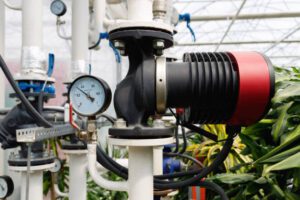
Think of a recirculating pump as a small device that keeps hot water moving in a loop through your pipes, so the water inside never gets cold. Instead of sitting in the pipe and cooling off, the water is continuously pushed back toward the water heater circulation pump, reheated if necessary, and kept warm until you need it.
The result? Hot water on demand right when you turn the faucet.
A recirculating hot water pump can be installed in both new homes and existing plumbing systems. There are a few different types, and the best choice depends on how your home is set up.
Types of Hot Water Recirculation Pumps
There are two main categories of hot water recirculation pump systems:
1. Dedicated Return Line Pumps
Some homes are built with a special return line designed just for hot water. In this setup, the water recirculation pump pushes hot water through the system and back to the heater via that return line, creating a perfect loop.
- Best for: Large homes where faucets are far from the water heater.
- Installed: Typically during new construction.
- Operation: Can run constantly, on a timer, or with a temperature sensor.
This type of system is highly efficient at delivering instant hot water throughout the house, but if your home wasn’t plumbed this way, installing a return line later can be costly.
2. Retrofit (Crossover) Pumps
Don’t have a dedicated return line? Don’t worry. A retrofit recirculation pump for water heater systems can still work in existing homes.
Here’s how:
- The pump is mounted on the water heater.
- A “crossover valve” (also called a bridge valve) is installed under the sink farthest from the heater.
- This valve allows cooled-off water in the hot line to flow back into the cold line, looping back to the heater.
It’s a clever workaround that avoids tearing into walls to add new pipes. The only downside is that sometimes you’ll get a second or two of lukewarm water from the cold tap because of how the system balances itself.
3. On-Demand Recirculating Pumps
Want ultimate control? An on-demand water heater recirculation pump is activated only when you need hot water. You push a button, trigger a motion sensor, or use a smart app, and the pump does its job.
- Saves energy since it only runs when requested.
- Ideal for households that want both convenience and efficiency.
Do Hot Water Recirculating Pumps Save Money?
Here’s the honest answer: a recirculation pump isn’t primarily about saving money; it’s about saving time and comfort.
Yes, you’ll conserve water (up to 10,000+ gallons per year according to the EPA). That can lower your water bill. But the pump does use electricity, and because your water heater keeps more of the system warm, it may cycle more often.
So while there are savings, most homeowners install a hot water recirculation pump, a tankless heater, or a standard system for convenience. No more wasting time and water while you wait for hot water. That’s the real value.
Can I Use a Recirculation Pump With a Tankless Water Heater?
Yes! A tankless water heater recirculation pump works just like a traditional tank system. The key is choosing the right pump:
- Some tankless models have built-in recirculation capabilities.
- Others need an external recirculation pump for tankless water heater setups.
- On-demand pumps are especially popular for tankless systems since they pair well with the “hot water only when needed” philosophy.
How Much Does a Hot Water Recirculating Pump Cost?
Prices vary based on the type and complexity of installation:
- Dedicated return line pumps: $600–$1,500 (including installation).
- Retrofit pumps: $400–$1,000.
- On-demand pumps: $700–$2,000 (depends on smart features).
While not the cheapest upgrade, most homeowners agree the convenience is worth it, especially if multiple family members use hot water daily.
Installation: DIY or Hire a Pro?
While some retrofit kits are marketed as DIY-friendly, installing a hot water heater recirculating pump involves working with plumbing lines, valves, and sometimes electrical connections.
- A pro can complete most installs in a few hours.
- They’ll check your plumbing system for leaks, faulty shut-off valves, or outdated connections that may need upgrading.
- Professional installation ensures the efficiency and longevity of your system.
If you’re not experienced with plumbing, hiring a licensed plumber is well worth the investment.
Maintenance Tips for Recirculating Pumps
The good news? Water heater recirculating pumps are generally low-maintenance. Here are a few simple tips:
- Check for leaks around valves and connections once or twice a year.
- Listen for unusual noise; a grinding or rattling sound could mean the pump motor needs servicing.
- Flush your water heater annually to reduce sediment buildup, which helps your pump work more efficiently.
High-quality pumps from trusted brands like Grundfos or Taco can last 10–15 years with minimal maintenance.
Conclusion
A hot water recirculation pump is one of those upgrades that makes everyday life easier. No more waiting, no more wasted water, just instant comfort when you turn on the tap.
Whether you choose a recirculating hot water pump with a dedicated return line, a retrofit system, or an on-demand pump, you’ll enjoy faster hot water and a more efficient home.
If you’re tired of waiting forever for hot showers or wasting gallons of water every day, it might be time to contact Jennings Plumbing Services to install a water circulation pump for your water heater in your home.


