 4.8 | 310 reviews


 972-492-5369
When your sump pump fails, the results can be a flooded basement, water-damaged belongings, or even mold growth. The good news is that most of these issues can be prevented with routine sump pump maintenance and timely sump pump repair.
In this guide, Jennings Plumbing Services covers everything U.S. homeowners need to know about keeping their sump pump in top condition. Whether you’re troubleshooting problems, learning how to maintain it, or figuring out when to call for help, we’ve got you covered.
What Is a Sump Pump, and Why Does It Matter?
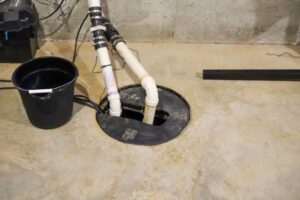
A sump pump is a small device installed in a pit (called a sump basin) in the lowest part of your basement or crawl space. Its job is simple: keep water out of your home. When water collects in the basin from rain, melting snow, or high groundwater, the pump automatically activates and moves the water away from your foundation.
Without a working sump pump, basements can flood, foundations can weaken, and mold or mildew can set in.
How Does Sump Pump Repair Work?
Sump pump repair involves identifying and fixing problems that prevent the pump from operating efficiently. Common repair tasks include replacing worn-out float switches, fixing jammed impellers, cleaning clogged discharge lines, or repairing electrical faults.
If your pump isn’t running at all, the issue might be with the power supply or the motor. If it’s constantly running without water in the pit, the float switch might be stuck or misaligned.
Sump pump troubleshooting is the first step in the repair process. Start by checking the following:
- Is the unit plugged in?
- Is the float moving freely?
- Is there debris in the sump pit?
- Do you hear any unusual sounds?
Some issues are simple enough to handle yourself. But if you’re unsure, it’s best to call a professional for a full sump pump inspection.
Signs Your Sump Pump Needs Repair
Here are the most common signs of trouble:
- Unusual noises like grinding, rattling, or humming
- Pump running non-stop, even when dry
- Failure to activate during heavy rain
- Visible rust or corrosion
- Water backing up or pooling in the basement
These symptoms often indicate deeper mechanical or electrical problems. Ignoring them can lead to more expensive repairs down the line.
How Often Should You Service a Sump Pump?
A general rule of thumb: Schedule sump pump service once a year. If your area gets heavy rain or snow, twice a year is better, once in early spring and again before winter.
Routine service includes:
- Cleaning the sump basin
- Checking and adjusting the float switch
- Inspecting the check valve
- Testing power and backup systems
- Running a full pump test cycle
This kind of proactive care can prevent unexpected failures and reduce the cost of repairing a sump pump in the future.
Sump Pump Maintenance Tips for Homeowners
Here’s a quick sump pump maintenance guide for homeowners. Most of these can be done with basic tools and a little time:
1. Clean the Sump Pit
Remove dirt, gravel, and debris that could block the pump or clog the drain lines.
2. Test the Float Switch
Pour a bucket of water into the pit. The float should rise, trigger the pump, and lower once water is cleared.
3. Check the Discharge Line
Make sure the pipe leading outside is free from blockages and discharges water at least 10–20 feet away from your foundation.
4. Inspect the Check Valve
This valve prevents water from flowing back into the pit. If it’s worn out, it should be replaced.
5. Clean the Pump Itself
Remove the pump, wipe off any grime, and inspect the impeller. Learning how to clean a sump pump properly helps avoid jams and wear.
How to Maintain a Sump Pump During Each Season
Maintaining your sump pump year-round ensures it’s ready when you need it most.
- Spring: Test the pump before the first major rainfall
- Summer: Clear away weeds or debris around the discharge pipe
- Fall: Inspect electrical connections and check for rodents or insects in the pit
- Winter: Insulate or heat the discharge pipe to prevent freezing
Seasonal attention goes a long way in avoiding emergencies.
Can You Repair a Sump Pump Yourself?
You can handle minor tasks like cleaning, testing the float, or unclogging the discharge pipe. But for electrical issues, motor problems, or full unit replacement, professional help is safer and more reliable.
Learning how to repair a sump pump can be useful, but know your limits. Incorrect fixes can void warranties or cause more damage.
Common Sump Pump Problems That Lead to Repair
- Float switch failure
- The pump is overwhelmed by water volume
- Clogged intake or discharge lines
- Power outages without backup systems
- Frozen or cracked discharge pipes
These are all considered common sump pump problems, and each one has a specific solution. For example, installing a battery backup solves power failure risks, while increasing the pit size may help with heavy rainfall capacity.
How Long Do Sump Pumps Last?
Most sump pumps last 7 to 10 years with proper care. Regular sump pump inspection and cleaning are key to extending the lifespan. If your unit is older than that, starts frequently failing, or can’t keep up with water levels, it may be time for a replacement instead of a repair.
What Does a Sump Pump Service Cost?
The cost to repair a sump pump typically ranges from $150 to $500, depending on the issue and labor involved. Full replacements can run $500 to $1,500.
Spending a little on yearly maintenance can save thousands in water damage and emergency calls.
When to Call a Professional for Help
If you’ve tried the basic steps and your pump still isn’t working correctly, call in a pro. A licensed plumber can provide a full sump pump inspection, identify mechanical or electrical issues, and recommend repair or replacement options.
Professional service is especially important when:
- The basement has already flooded
- The pump is older than 7–8 years
- You hear loud or grinding noises
- You need a backup system installed
For homeowners who want peace of mind, Jennings Plumbing Services provides expert sump pump repair and annual maintenance plans to keep everything running smoothly.
Final Thoughts
Your sump pump is one of those systems you only think about when it fails. But with basic knowledge, regular upkeep, and the occasional professional sump pump service in Addison, TX, you can stay ahead of the mess.
Whether you’re dealing with sump pump repair, a simple cleaning, or planning a full system upgrade, staying proactive is always cheaper than fixing flood damage after the fact.
Need help? The team at Jennings Plumbing Services is ready to inspect, service, or repair your sump pump with honest pricing and fast response times.


