 4.8 | 310 reviews


 972-492-5369
A plumbing emergency never shows up with perfect timing. It happens late at night, during a holiday weekend, or right as guests are walking through the door. Water on the floor. A strange smell from a drain. No water when you turn the handle. Your brain starts racing, and the same question hits fast.
Is this really an emergency, or can it wait?
For North Texas homeowners, that question matters more than people realize. The mix of slab foundations, shifting clay soil, extreme summer heat, and sudden winter freezes makes plumbing problems behave differently here. Something that feels minor in the moment can turn into property damage before the sun comes up.
This guide breaks it all down in plain language. You will learn what truly counts as a plumbing emergency in Plano, TX, what can safely wait, and how to respond without panic. No scare tactics. No technical overload. Just clear answers you can trust.
What a Plumbing Emergency Really Means
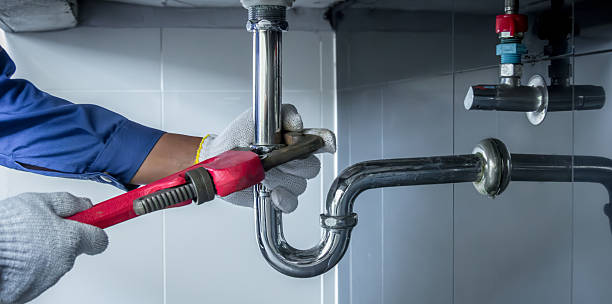
A plumbing emergency is not defined by inconvenience. It is defined by risk.
If a plumbing issue threatens your home, your health, or your ability to safely use water, it qualifies as an emergency. That risk can come from active water damage, contamination, or conditions that can spiral quickly.
Here is the simplest way to think about it.
A plumbing emergency usually involves at least one of these:
-
Uncontrolled water flow
-
Sewage exposure
-
No access to clean water
-
Structural risk to the home
-
Safety concerns tied to gas or electricity
If none of those are present, the issue may still need fast service, but it is often safe to schedule a standard repair.
Plumbing Situations That Are Almost Always Emergencies
Some plumbing problems cross the emergency line the moment they start. Waiting rarely improves the outcome.
Burst or Broken Pipes
A burst pipe is one of the clearest plumbing emergencies there is.
Water under pressure does not stop on its own. It keeps flowing, soaking drywall, flooring, insulation, and framing. In slab homes, it can also travel unseen beneath the foundation.
In North Texas, pipe bursts often follow:
-
Hard freezes after mild weather
-
Aging copper or galvanized lines
-
Sudden pressure changes
If you see water spraying, pooling, or rushing where it should not be, shut off the main water valve and call for immediate help.
Major Leaks That Cannot Be Controlled
Not every leak is an emergency, but some absolutely are.
A leak becomes urgent when:
-
Water cannot be stopped at the fixture
-
The leak is inside a wall or ceiling
-
Water is dripping near electrical outlets or panels
-
The source is unknown and spreading
Water moves fast. A slow drip can soak insulation and framing long before it stains drywall. By the time you see it, damage may already be underway.
Sewer Backups or Raw Sewage
If sewage is coming up through drains, toilets, or tubs, stop using water right away.
This is not just a plumbing issue. It is a health risk.
Sewer backups can bring bacteria and waste into living areas. In slab homes, backups can also signal deeper line problems under the foundation.
Any sign of sewage inside the home should be treated as urgent.
No Water at All
Turning on a faucet and getting nothing is more than frustrating.
No water can mean:
-
A broken main line
-
A slab leak that has already caused a shutdown
-
A failed pressure regulator
-
City supply issues combined with internal problems
Without water, basic needs come to a halt. If the outage is not citywide, it is time to call.
Gas Line Issues Related to Plumbing Work
Some plumbing systems involve gas line repairs, especially water heaters.
If you smell gas, hear hissing near a gas appliance, or suspect a gas line issue:
-
Leave the area
-
Do not use electrical switches
-
Contact the gas provider or emergency services
Gas concerns should never be delayed.
North Texas Conditions That Turn Small Problems Into Emergencies
Plumbing does not exist in a vacuum. Local conditions shape how problems behave.
Winter Freezes and Pipe Damage
North Texas freezes often come after long stretches of warm weather. Homes are not always prepared, and pipes in attics, garages, and exterior walls can freeze fast.
When frozen pipes thaw, they can crack or split. The real damage often appears hours later, when water starts flowing again.
If a freeze has passed and you notice:
-
Low pressure
-
Damp spots
-
Sounds of water behind walls
Do not ignore it.
Clay Soil and Slab Foundation Movement
The clay soil common in this region expands when wet and shrinks during dry spells. That movement places stress on plumbing lines buried under slabs.
Over time, this can lead to:
-
Slab leaks
-
Pipe separation
-
Repeated breaks in the same areas
Slab leaks often start quietly. By the time they show signs, water damage or foundation concerns may already exist.
Summer Heat and High Water Demand
Extreme heat brings higher water use. Sprinklers run longer. Showers work harder. Pipes stay under pressure.
Weak joints and aging lines are more likely to fail during peak demand periods. A leak that stayed manageable in spring can turn aggressive in August.
Plumbing Problems That Feel Urgent but Usually Are Not
Some plumbing issues cause stress without posing immediate risk. These still deserve attention, but they rarely require emergency service.
Slow Drains
A slow drain is annoying, not dangerous.
Unless it is paired with sewage backup or water rising instead of draining, it can usually wait for scheduled service.
Minor Fixture Leaks
A dripping faucet or a toilet that refills often wastes water but does not threaten the home right away.
Place a bucket, shut off the fixture if possible, and plan a repair.
Running Toilets
Running toilets can raise water bills, but they rarely cause damage unless water is overflowing.
If the bowl level stays normal, it is safe to wait.
Low Water Pressure Without Leaks
Low pressure alone is rarely an emergency. It can stem from mineral buildup, valves, or city supply changes.
If pressure drops suddenly and is paired with moisture or noise, that changes the picture.
When Water Damage Becomes the Real Emergency
Sometimes the plumbing issue itself is not the biggest threat. The damage that follows is.
Water spreads in ways people do not expect. It travels along framing, pools under flooring, and settles into insulation. It does not need to flood a room to cause trouble.
Warning signs of active water damage include:
-
Bubbling paint or warped flooring
-
Musty smells
-
Warm spots on slab floors
-
Sudden spikes in water bills
When these appear, time matters. The longer water moves unseen, the harder repairs become.
Health and Safety Red Flags You Should Never Ignore
Some plumbing issues cross from property damage into personal safety.
Sewage Exposure
Any contact with raw sewage carries health risks. Keep children and pets away and avoid cleanup without proper protection.
Mold Growth Conditions
Standing water and hidden moisture create mold-friendly conditions fast. Even clean water leaks can lead to indoor air problems.
Electrical Risk
Water near outlets, breakers, or appliances raises shock risk. If water is present near electrical systems, cutting power may be needed before any cleanup.
What to Do the Moment a Plumbing Emergency Starts
A calm response limits damage.
Shut Off the Water
Know where your main shutoff valve is. In many North Texas homes, it sits near the street or on a garage wall.
Turning it off stops the problem from growing.
Cut Power if Needed
If water is near electrical areas, turning off power to affected zones adds safety.
Contain What You Can
Use towels, buckets, or pans to control water spread while waiting for help.
Avoid DIY Repairs Under Pressure
Temporary fixes can help slow leaks, but forcing parts or overtightening fittings can worsen the issue.
Why Waiting Often Raises Repair Costs
Water problems rarely stay small. What starts as a leak can lead to:
-
Drywall removal
-
Flooring replacement
-
Mold treatment
-
Structural repairs
Early response usually limits repairs to plumbing work alone. Waiting adds layers of damage that insurance may not fully cover.
How Plumbing Companies Classify Emergencies
When you call for service, plumbers often ask a few direct questions:
-
Is water actively flowing?
-
Can it be shut off?
-
Is sewage involved?
-
Is anyone unsafe?
These answers help prioritize response. Clear details lead to faster help.
Choosing the Right Response Without Panic
Not every plumbing scare needs lights and sirens. Some do.
When in doubt, ask yourself:
-
Is water damaging the home right now?
-
Is health or safety at risk?
-
Can this wait until morning without harm?
If the answer feels shaky, calling for guidance is reasonable.
Plumbing emergencies in Plano are stressful because they arrive without warning. Knowing the difference between urgent Plano plumbing and routine plumbing helps you stay calm and act fast when it truly matters.
North Texas homes face unique conditions that make plumbing behavior less predictable. Understanding those patterns puts you ahead of the problem.
If you ever need professional guidance during a true emergency, a trusted local plumber like Jennings Plumbing Services can help restore safety and peace of mind without unnecessary pressure.


