 4.8 | 310 reviews


 972-492-5369
Most clogged drains clear up with a plunger or a hand snake. Start with a plunger, since it clears most sink, shower, and tub clogs in a few minutes. If water backs up in more than one drain at once, that usually means the clog is in the main line, not a single fixture, so skip the DIY steps and call a plumber instead.
This guide walks through fixes for every part of the house: kitchen and bathroom sinks, showers and tubs, the main drain line, and a few appliances like the dishwasher and washing machine. Jump to the section that matches your problem, or read straight through if you’re not sure what’s causing the slow drain. Reach out to Jennings Plumbing if you are in need of professional drain cleaning services.
Common Causes of a Clogged Drain
Before grabbing a tool, it helps to know what you’re dealing with. The cause usually points to the fix.
- Hair and soap scum: the most common culprit in bathroom sinks, showers, and tubs
- Grease and food debris: builds up along kitchen sink pipes over time, catching other debris as it hardens
- Mineral buildup: hard water leaves scale inside pipes, which narrows the space water has to flow through
- Tree root intrusion or pipe damage: usually affects the main line, not a single fixture, and gets worse with age
- Foreign objects: toys, jewelry, cotton swabs, and similar items dropped down the drain by accident
Knowing which one you’re dealing with saves time. A slow kitchen sink is almost always grease, while a slow shower drain is almost always hair, so you can usually skip straight to the right fix.
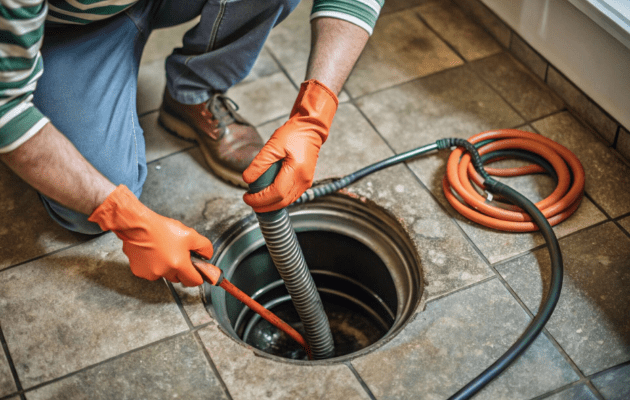
Tools You’ll Need
Most single-fixture clogs can be handled with items you already have or can pick up at a hardware store.
- Plunger (a cup-style plunger for sinks and tubs, a flange-style for toilets)
- Drain snake or hand auger
- Bucket and old towels
- Baking soda, white vinegar, and boiling water (if you want to try the natural method)
- Adjustable wrench, in case you need to remove a P-trap
How to Unclog a Sink Drain (Kitchen or Bathroom)
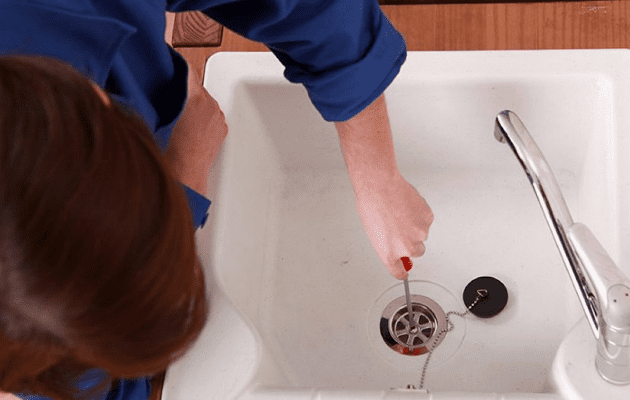
The steps below work for both kitchen and bathroom sinks, with a couple of small differences noted along the way.
- Remove the stopper or drain cover and clear out any visible hair, food, or debris by hand.
- Try the plunger. For a bathroom sink, cover the overflow opening with a wet rag first so the plunger can build suction. For a kitchen sink with two basins, seal off the second drain before you plunge.
- Still slow? Set a bucket under the P-trap, the curved pipe beneath the sink, and loosen the slip nuts with an adjustable wrench to remove it. Clogs often sit right inside that bend.
- Feed a hand snake through the open drain line or trap arm to break up anything further down.
- Reassemble the P-trap, run hot water for a minute, and check underneath for leaks.
How to Unclog a Shower or Bathtub Drain
Shower and tub drains usually clog for the same reason: hair combined with soap scum. Standing water that lingers after every shower is the clearest sign you’re dealing with this.
- Pop off the drain cover and pull out any visible hair with your fingers, a bent wire hanger, or a hair-clog removal tool.
- Plunge the drain with a few inches of standing water in the tub or shower pan. That water helps the plunger seal and build pressure.
- For a clog sitting deeper in the line, run a drain snake through the overflow plate (on tubs) or straight down the drain opening (on showers, which don’t have an overflow plate).
- If the drain is still clogged, remove and clean the P-trap if you can reach it.
- Finish by running hot water for a minute or two to confirm the drain is flowing normally again.
How to Unclog a Bathtub Drain Full of Hair
Hair is the number one reason tub and shower drains slow down or stop altogether. For this specific problem, a zip-it tool or plastic drain claw is usually the fastest fix. Slide the barbed plastic strip a few inches into the drain, twist, and pull straight out. Most of the time, an entire hair clog comes out in one piece, and the drain runs clear right away without plunging or snaking.
How to Unclog a Drain Naturally (No Chemicals)
Most drain clogs are caused by hair, tree roots, or grease buildup, and none of those break down with a kitchen-cabinet mixture. If your drain has stopped completely, baking soda and vinegar won’t move it. Go back to the plunger and snake steps above instead.
Chemical drain cleaners aren’t much better. They can work on light, near-surface buildup, but they do little for anything past the drain opening, where most real clogs sit. Products like Drano rely on lye or bleach to generate heat and break material down, and that same reaction eats away at pipes over time, especially older metal lines and aging PVC. Plumbers see this often enough that most steer people away from repeated use, since it tends to turn a simple clog into a pipe replacement down the road.
Baking soda and vinegar earn their place in prevention, not repair. Used regularly, it helps keep grease and soap film from building up into a clog in the first place:
- Pour a kettle of boiling water down the drain to loosen any grease or soap film.
- Add ½ cup of baking soda, followed by ½ cup of white vinegar.
- Let the mixture fizz and sit for 15 to 30 minutes.
- Flush the drain with another round of boiling water.
Treat this as monthly maintenance for a drain that’s running slow, not a fix for one that’s already stopped. Once a drain actually stops draining, a plunger, a hand snake, or a call to a plumber is what clears it.
How to Unclog a Main Drain Line
This is the one area where DIY has real limits, and it’s worth knowing the warning signs before you start pouring anything down a drain.
Signs you’re dealing with the main line, not one fixture:
- Multiple drains clogging around the same time
- Gurgling sounds coming from drains or toilets
- A sewage smell near drains or in the yard
- Water backing up into the lowest drain in the house, often a basement floor drain or tub
A main line clog isn’t a safe or realistic DIY project. Store-bought augers are too short to reach far enough into the line, and they can’t address tree root intrusion, one of the most common causes of a blocked main line in older neighborhoods. If you’re seeing any of these signs, it’s a good time to look into emergency plumbing services rather than waiting it out, since a backed-up main line only gets worse the longer it sits.
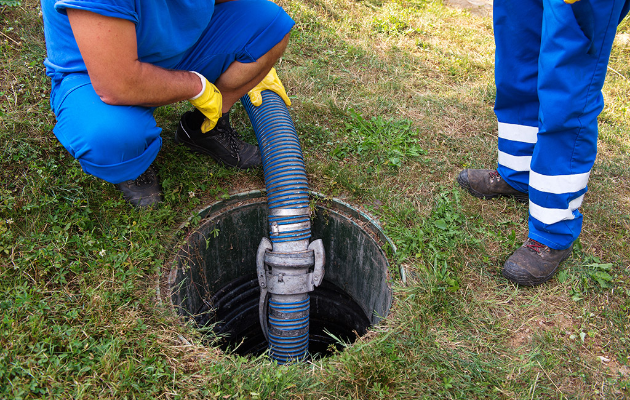
A licensed plumber will usually access the line through a clean-out, a capped fitting near the foundation or in the yard that leads straight into the main sewer line. Working through the clean-out lets the whole system be inspected and cleared without opening walls or flooring.
Hydro jetting is the professional-grade answer for this kind of clog. It uses high-pressure water to scour the inside of the pipe, clearing grease, scale, and root intrusion in a way no home tool can match. Jennings Plumbing Services uses hydro jetting on main line clogs specifically because this clears the whole pipe rather than just punching a small hole through the blockage, which is often all a rented auger manages to do.
Quick Fixes for Other Common Clogs
Garbage Disposal Drain
Never reach into a garbage disposal with your bare hands, even if it’s turned off at the switch. If it’s jammed, use the Allen wrench that came with the unit to manually turn the blades from underneath and work the jam loose. If the disposal has stopped running altogether, check for a small reset button on the bottom of the unit before assuming it needs replacing.
Dishwasher Drain
A dishwasher that won’t drain often has a simple cause: a clogged or kinked drain hose, or a blocked air gap, the small cylinder near the faucet that keeps dirty water from siphoning back in. Check both for debris or a kink before assuming the pump has failed.
Washing Machine Drain
If your washing machine drains slowly or backs up, check the drain hose and standpipe for lint and debris buildup. Over time, lint works its way into the standpipe and narrows the opening, which slows drainage even when the machine itself is working fine.
When It’s Time to Call a Plumber
Some clogs are a five-minute fix. Others signal a bigger problem. Here’s a quick way to tell the difference.
| Symptom | Likely Cause | DIY Fix | Call a Plumber If… |
| Slow-draining sink | Hair, soap scum, or grease buildup | Plunger, baking soda and vinegar, or a hand snake | It returns within days of clearing it |
| Bathtub or shower won’t drain | Hair and soap scum clogging the drain or trap | Remove visible hair, plunge, or snake the P-trap | Standing water doesn’t clear after multiple attempts |
| Multiple drains clogged at once | Blockage in the main sewer line | Not a DIY-safe situation | Always — this points to the main line, not one fixture |
| Gurgling sounds or sewage odor | Vent blockage or main line issue | Not a DIY-safe situation | Immediately — this can be a health or sanitation issue |
If you’ve worked through the steps above and the clog keeps coming back, it’s worth having someone take a real look rather than repeating the same fix over and over. Jennings Plumbing Services is a family-owned plumbing company, not a franchise, and every visit starts with an honest diagnosis and upfront pricing before any work begins.
Owner Shawn Jennings is a dual-state Master Plumber with more than 30 years in the trade, so the crew that shows up has seen most of what a North Texas home can throw at a drain line. When a job calls for it, our team also brings hydro jetting equipment that can clear buildup a snake or plunger simply can’t reach.
Get Your Drains Flowing Again: Contact Jennings Plumbing Services
A slow drain is annoying. A clogged main line is a real problem, and it’s not one to solve with a longer snake or another bottle of drain cleaner. Jennings Plumbing Services has served Little Elm and the surrounding North Texas area for more than 20 years, with the equipment to clear what a plunger or store-bought auger can’t.
If you’ve tried the steps above and the clog isn’t budging, reach out to our team and we’ll come out to take a look. We’ll walk you through what’s causing the problem and what it takes to fix it, with pricing you see before any work starts.


