 4.8 | 310 reviews


 972-492-5369

Smell gas right now? Leave the home immediately and call 911 from outside. After that, your gas utility’s emergency line. In Little Elm, that’s usually Atmos Energy (866-322-8667) or CoServ Gas (844-330-0763). Your gas bill shows which one serves your home.
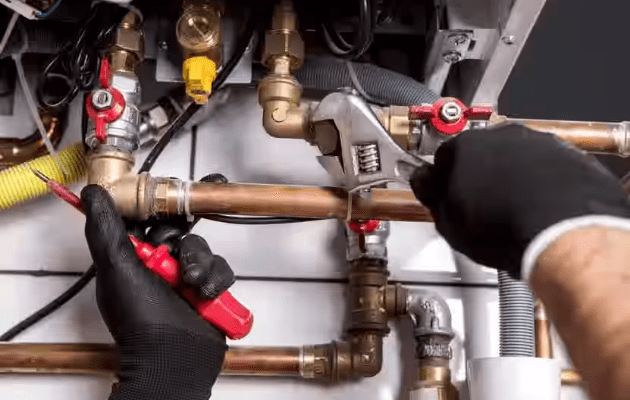
Don’t use light switches, appliances, or a phone inside. Step-by-step instructions are below.
Common signs of a gas leak include a rotten egg or sulfur smell, a hissing sound near a gas line or appliance, and physical symptoms like headaches, dizziness, or nausea that ease when you step outside. If you notice any of these, leave the home and call 911 and your gas utility from outside.
This guide covers how to recognize a leak, what to do the moment you notice one, and what happens after the gas utility or fire department says your home is safe.
What Does a Gas Leak Smell Like?
A natural gas leak smells like rotten eggs or sulfur. Natural gas has no odor on its own, so gas utilities add a chemical called mercaptan to give it that sharp, unpleasant smell. Inside a house, the odor is often strongest near gas appliances like a stove, water heater, furnace, or dryer, and around the gas meter.
Propane has a similar rotten egg odor, so the same warning signs apply if your property uses a propane tank.
Don’t rely on smell alone. The odor can fade if you’ve been around it for a while, and other strong smells in the house can cover it up. A cold, allergies, or age can also dull your sense of smell. If you notice other signs on this list, act even if you can’t smell anything.
5 Signs of a Gas Leak in Your Home
Any one of these signs is enough reason to leave and call for help. Don’t wait for a second one to show up.
- Rotten egg or sulfur smell. This is the most common warning sign and usually the first one people notice.
- Hissing, whistling, or blowing sound. A steady hiss near a gas line, gas meter, or gas appliance can mean gas is escaping, even when nothing is turned on.
- Physical symptoms. Headaches, dizziness, nausea, fatigue, or irritated eyes and throat that get better once you leave the house can point to a leak. Carbon monoxide is a separate hazard with similar symptoms and no smell (see the table below).
- Outdoor warning signs. Watch for dead or discolored grass or plants over a buried gas line, bubbles rising in standing water, or dirt blowing up from the ground near a line.
- Higher gas bill or yellow burner flames. A sudden jump in your gas bill with no clear reason can signal a leak. Yellow or orange burner flames instead of steady blue usually mean an appliance problem rather than a leak, but the appliance still needs service.
What to Do If You Smell Gas (Step-by-Step)
Here’s what to do if you smell gas in your house. Follow these steps in order. They line up with the natural gas safety guidance published by Atmos Energy, one of the main gas utilities in North Texas.
- Don’t create a spark. Don’t flip light switches, run appliances, light a match or lighter, or unplug anything.
- Get everyone out now. Bring everyone, including pets, outside right away. Don’t stop to look for the source of the smell.
- Call from a safe distance. Once you’re outside and away from the house, call 911 and your gas utility’s emergency line.
- Leave the car and your belongings. Don’t start a vehicle parked in an attached garage, and don’t go back inside for anything.
- Wait for the all-clear. Stay out until the gas utility or fire department tells you it’s safe to return.
- Call a licensed plumber for repairs. After the all-clear, have a licensed plumber inspect and repair the gas line or appliance connection before you use gas service or gas appliances again.
What Not to Do
- Don’t use a garage door opener or a phone inside the home.
- Don’t try to repair the gas line or appliance yourself.
- Don’t turn gas valves on or off, including the valve at the gas meter.
- Don’t light anything to “check” for gas.
- Don’t assume a faint smell can wait until morning.
What to Do If You Smell Gas Outside Your House
An outdoor gas smell can come from a damaged meter, a buried line, or a leak near your home. Move away and keep others back. Don’t start a car, mower, or other equipment nearby. Once you’re at a safe distance, call 911 and your gas utility.
Is It a Gas Leak? Common Smells and What They Mean
Not every rotten egg odor comes from natural gas. Sometimes what seems like a gas smell in the house has nothing to do with a gas line. This table can help you sort out the likely source.
| What You Notice | Possible Source | What to Do |
| Rotten egg smell near the stove, water heater, furnace, gas meter, or throughout the home | Possible natural gas leak | Treat it as a gas leak. Leave right away, then call 911 and your gas utility from outside. |
| Rotten egg smell mainly from a drain or bathroom | Possible sewer gas (dry drain trap, vent problem, or sewer line issue) | Run water in rarely used drains to refill the traps. If the smell continues, call a plumber. If you also smell gas near an appliance, treat it as a gas leak. |
| Sulfur smell only from hot water taps | Possible water heater issue (not a gas leak) | Call a plumber during business hours. If you also smell gas near the water heater, treat it as a gas leak. |
| Headache, nausea, or dizziness with no smell at all | Possible carbon monoxide (odorless and a separate hazard) | Get everyone outside into fresh air and call 911. Later, make sure CO detectors are installed and working. |
When in doubt, treat it as a gas leak. Leaving the house for a false alarm is a minor hassle. Staying inside with a real leak isn’t worth the risk.
If a sewer smell keeps coming back from your drains, a sewer line inspection can show whether a cracked pipe or vent problem is letting it into the house.
What Causes a Gas Leak in a House?
Most leaks start at a weak point in the gas line or where a line meets an appliance. Common causes include:
- Aging or corroded gas lines. Older pipe can wear thin over time, especially at the joints.
- Loose or damaged appliance connections. Flexible connectors behind a stove, water heater, furnace, or dryer can loosen or wear out, especially after an appliance is moved.
- Damage to buried lines. Digging can strike a line. North Texas clay soil also shrinks and swells with dry and wet weather, which can put stress on buried pipe.
- Faulty appliances or poor installation. A gas appliance with a failing part or one that was installed incorrectly can leak where it connects to the line.
Who to Call for a Gas Leak in Your House
A plumber isn’t the first call for an active leak. Emergency crews and the gas utility handle that part, and a plumber steps in afterward. Call in this order:
- 911. Call once everyone is out of the home.
- Your gas utility’s emergency line. In the Little Elm area, that’s usually Atmos Energy (866-322-8667) or CoServ Gas (844-330-0763). Your gas bill shows which one serves your home.
- A licensed plumber. After the gas utility or fire department has made the home safe, a plumber can inspect and repair the line.
How a Licensed Plumber Finds and Fixes a Gas Leak
Once your home has been cleared, the leak still has to be found and fixed so it doesn’t happen again. Here’s what a licensed plumber does:
- Locates the leak. The plumber inspects the gas line, fittings, and appliance connections to pinpoint where gas escaped.
- Makes the repair. Depending on what’s found, that could mean swapping out a worn appliance connector, fixing a damaged fitting, or repairing or replacing a section of gas line.
- Pressure tests the system. Before gas service is restored, the plumber runs a pressure test to confirm the line holds without leaking.
Gas line work isn’t a DIY project or a job for a handyman. At Jennings Plumbing Services, your gas line repair is handled by one of our licensed plumbers and performed under the supervision of owner Shawn Jennings, a Master Plumber with more than 30
How to Prevent Gas Leaks
- Schedule an inspection. Have a licensed plumber check your gas lines and appliance connections if your home is older or after a remodel or renovation.
- Keep gas appliances clear. Don’t store boxes, cleaning products, or clutter against the furnace, water heater, or dryer.
- Know where your gas meter is. Keep the area around it free of plants and clutter so the gas utility can reach it quickly. While you’re at it, find your main water shutoff valve, since turning off the water is the first step in most plumbing emergencies.
- Call 811 before you dig. This free service marks buried utility lines so a fence post or garden project doesn’t hit a gas line.
- Install carbon monoxide detectors. CO is a separate hazard from a gas leak, but a working carbon monoxide detector warns you about a danger you can’t smell. Test each one regularly.
- Save your gas utility’s emergency number. Put it in your phone now so you aren’t searching for it while standing in the driveway.
Need a Gas Line Inspected or Repaired? Contact Jennings Plumbing Services
After your home is cleared as safe, Jennings Plumbing Services can inspect and repair the gas line or appliance connection so you can use your gas service and appliances again. We’re a family-owned plumbing company based in Little Elm, serving homeowners across North Texas since 2003. Every job starts with an honest diagnosis and upfront pricing, and we give you repair options at different price points so you can choose what fits your budget.
We’re open Monday through Friday, 8 a.m. to 6 p.m., and offer same-day emergency plumbing for urgent issues called in during business hours. For an active gas leak, call 911 and your gas utility first. When you’re ready for a repair or a gas line inspection, contact our team to schedule a visit.


